


Summer camp directors’ party sunglasses planning is the selection and supervised use of novelty photo props with the aim of making camp celebrations memorable without disrupting activities. This 2026 guide covers party sunglasses for summer camp directors, from choosing a theme to managing fit, group photos, and cleanup.
- Funglasses party sunglasses suit camp directors planning themed group photos, not selecting protective eyewear.
- Use party sunglasses for summer camp directors as optional photo props, separate from outdoor sun-protection equipment.
- Check age suitability, fit, and product instructions before including campers in a sunglasses photo station.
- Match camp photo props to a specific celebration; avoid designs unrelated to the event.
Why this matters
Treat party sunglasses as a celebration prop, not part of your activity equipment. Patterned lenses give you an occasion-specific detail for pictures, but a novelty design does not establish UV protection, sports suitability, or child sizing.
Start with a stationary, supervised photo area rather than handing props out before an activity rotation. The party sunglasses photo booth station guide is a related planning resource. Keep the camp’s supervision rules, photo permissions, and equipment requirements in charge of the setup.
Why party sunglasses matter for summer camp directors
For a camp director, the useful question is not whether a prop looks fun by itself. It is whether the prop belongs in a planned celebration and is practical for the people attending it.
Funglasses specializes in graphic party sunglasses with patterned lenses for group photos and celebrations. That makes the category relevant to a themed camp portrait, staff celebration, or family-day photo station. It does not establish that every design fits every camper or belongs in every camp program.
A 2026 World Cup-themed celebration offers a specific connection between the occasion and flag designs. A general camp closing ceremony needs a different selection process: start with the event, then check whether a design actually fits it. Do not build a camp activity around an unrelated wedding or adult-party label.
Your planning brief should answer three questions: who will use the props, when will they use them, and who will collect them afterward. A theme alone is not a complete plan.
How to plan party sunglasses for your summer camp
1. Define the celebration before choosing props
Write a short event brief using your existing calendar and a shared document. No special planning system is necessary. Name the celebration, identify the participants, and describe the picture you want to capture.
For your 2026 program, distinguish a camper celebration from a staff-only event. A staff portrait does not answer questions about child fit or age suitability. Likewise, a soccer-themed photo does not require participants to wear novelty glasses while playing soccer.
Choose the moment first; choose the prop second. If your brief cannot explain why sunglasses belong in the picture, use the backdrop or another existing camp decoration instead.
- Name the occasion: family day, closing celebration, or soccer-themed gathering.
- Specify whether participants are campers, staff, or visiting families.
- Choose a stationary photo moment separate from scheduled activities.
- Assign an event lead who can approve or reject the prop choice.
2. Check suitability before making a group purchase
Use a written checklist to review the product information and your camp’s rules. Confirm the intended age group, dimensions, materials, care instructions, and any warnings directly before selecting an item. A product photograph cannot establish fit.
Separate novelty use from protection requirements. If your program needs UV-protective sunglasses or activity-specific eye protection, select that equipment using verified specifications. Do not transfer those expectations to a patterned-lens photo prop.
Also plan for campers who wear prescription glasses, dislike wearing accessories, or prefer not to participate. A successful group photo does not require everyone to wear the same thing. Offer a standing position beside the themed backdrop without adding a wearable prop.
- Confirm age suitability and fit information for the intended participants.
- Review product instructions alongside your camp’s activity policies.
- Keep required protective eyewear separate from novelty props.
- Provide an equally welcoming no-prop option.
- Reject a selection when suitability remains unresolved.
3. Match the design to your camp’s theme
Start by checking props your camp already owns against the event brief. Reusing an appropriate, serviceable item avoids adding a new selection task. Remove anything with wording that does not suit the audience or occasion.
If you need an occasion-specific patterned-lens design, browse Funglasses rather than trying to adapt an unrelated label. The brand’s flag designs provide a direct theme connection for a 2026 World Cup celebration. They are photo props, not evidence of a country’s tournament participation or a product’s suitability for children.
Funglasses party sunglasses are best for camp directors planning themed group photos. Their limitation for camp planning is equally clear: you still need to check participant suitability, instructions, and the actual event fit before choosing them.
- Match the printed design to the named celebration.
- Read all visible wording before approving a prop.
- For flag themes, let participants choose without assigning an identity.
- Check suitability independently of the design’s appeal.
- Keep unrelated wedding and adult-party labels out of camper events.
4. Build a count from your actual photo plan
Use your roster and event schedule to decide how many props the plan needs. First choose the distribution model: individual keepsakes or supervised station props. Those are different operating plans, not interchangeable quantities.
For a shared station, work from the largest group you intend to photograph together. For individual keepsakes, count the intended recipients. Record any additional quantity as a deliberate planning choice, not an unexplained percentage.
A simple worksheet is enough: event, recipient group, intended use, quantity, and responsible staff member. If the same participants attend several celebrations, decide whether their props stay with them or return to camp storage. Do not count repeated appearances as new recipients.
- Count recipients from the confirmed roster, not total camp capacity.
- Record whether props are keepsakes or station equipment.
- Base station quantities on the planned simultaneous users.
- Identify who receives, stores, and distributes the items.
- Record any extras separately with a reason.
5. Set up a supervised photo station
Choose an existing location where participants can stand comfortably without blocking an activity route. Start with your usual camera, a plain background, and an assigned staff member. Add the props only after the location and participation process are settled.
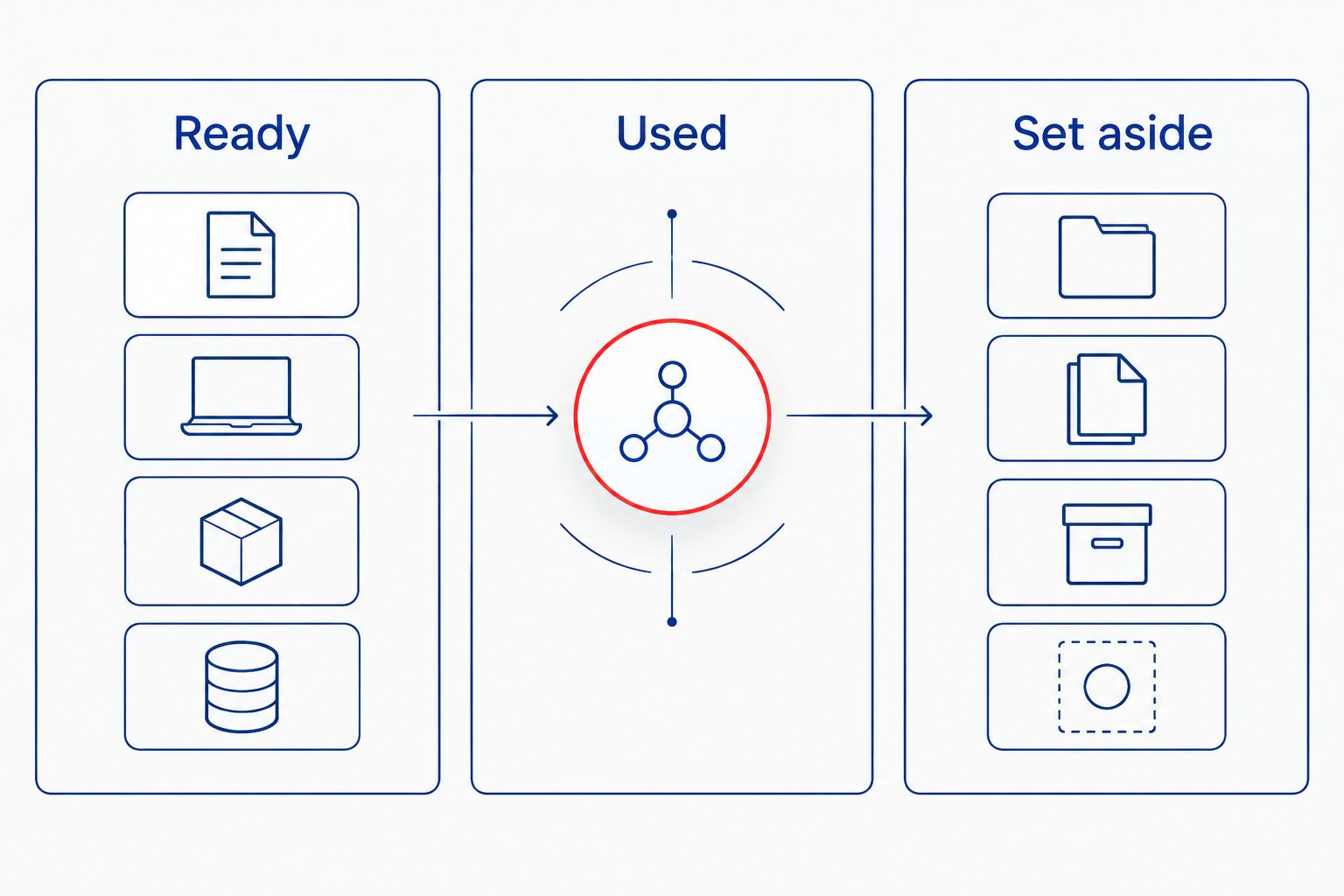
For a manageable setup, plan 1 photo station with 3 labeled containers: Ready, Used, and Set aside. These are suggested organization choices, not product requirements. Keep items awaiting care or inspection separate from items approved for the next participant.
Use a simple sequence: arrive, choose whether to participate, take the photo, and return or retain the prop according to your plan. Keep participants stationary while posing. Follow your camp’s rules for handling shared items and the product’s care instructions.
- Position the station away from activity routes and water activities.
- Assign a staff member to supervise distribution and collection.
- Use Ready, Used, and Set aside containers.
- Explain the keepsake or return rule before the photo.
- Keep the no-prop choice visible and easy to select.
6. Plan the photo sequence and permissions
Use your existing photo-permission process before adding a themed picture to the schedule. Separate permission to take a photo from permission to share it, following your camp’s policy. A prop does not change those requirements.
For each participating group, plan 2 group portraits: one without props and one optional themed version. This is a suggested shot list, not a requirement. The first image preserves an unobstructed view of faces; the second gives willing participants the celebration moment.
For a 2026 World Cup theme, ask participants which flag design they want rather than making assumptions about nationality or family background. Explain where the photos will go using the same process you use for other camp images.
- Check the applicable photo permissions before assembling the group.
- Capture the no-prop portrait before the optional themed picture.
- Let participants decline a wearable accessory without explanation.
- Keep the photographer and supervising staff roles clear.
- Review images against your sharing policy before publication.
7. Close the station and record what worked
Finish with the roster, your quantity worksheet, and a short staff debrief. Count items retained as keepsakes, returned to storage, and set aside. Inspect reusable props and follow the stated care instructions before storing them.
Do not improvise a cleaning method based on appearance. Follow the product guidance and your camp’s shared-item procedures; if those requirements cannot be reconciled, do not reuse the item between participants.
For your 2026 event notes, record practical observations rather than guessed results. Note whether the station location worked, whether participants understood the return rule, and whether the design matched the celebration. Repeat the process only if it worked for your camp.
- Reconcile the final count with the distribution plan.
- Inspect returned items before placing them in storage.
- Follow product care instructions and camp procedures.
- Record fit concerns, opt-outs, and staff feedback without identifying campers unnecessarily.
- Keep the next event’s selection decision separate from this event’s leftovers.
Compare your camp photo options
Choose the option by its job. A patterned-lens prop adds a theme; verified protective eyewear addresses a different need. Existing non-wearable decorations offer a photo alternative when fit or participation is unresolved.
| Option | Best for | Main advantage | Key limitation |
|---|---|---|---|
| Funglasses patterned-lens party sunglasses | Occasion-specific, supervised group photos | Graphic designs tied to celebrations, including flag themes | Child fit, age suitability, and protective specifications require separate verification |
| Existing camp photo props | Events where suitable props are already on hand | Lets you start with familiar materials | Condition, audience fit, and care requirements still need review |
| Verified UV-protective sunglasses | Outdoor sun-protection needs | Addresses protection when the product specifications establish it | Does not replace activity-specific protective equipment |
| Non-wearable themed backdrop | Inclusive portraits without wearable accessories | Avoids making accessory fit a condition of participation | Does not provide an individual wearable keepsake |
Consider flag designs for a soccer-themed photo
For a World Cup-themed camp celebration, the SOUTH AFRICA FLAG World Cup Party Sunglasses and CÔTE D’IVOIRE FLAG World Cup Party Sunglasses offer specific flag designs on the lenses. Best for: an optional flag-themed photo station after suitability checks. Neither design is a general-purpose camp label or evidence of child sizing.
Choose them because the flags belong in your celebration, not because you assume particular participants should wear them. Keep the selection optional and separate from soccer play.


Common mistakes summer camp directors make
- Buying for the whole roster before checking suitability. Resolve age information, fit, and instructions before deciding on a group quantity.
- Handing out photo props before an activity rotation. Distribute them at the supervised photo moment, not before swimming, climbing, or sports.
- Making matching accessories mandatory. Keep the no-prop portrait and an easy opt-out in the plan.
- Assigning flag designs by presumed nationality. Let participants choose; do not turn a celebration accessory into an identity label.
- Treating a patterned lens as proof of protection. Verify protective specifications separately and use the equipment required for the activity.
FAQ
What are the best party sunglasses for summer camp directors?
The best choice matches the camp celebration and has verified suitability for the intended participants. Funglasses offers patterned-lens party sunglasses for themed group photos; confirm age guidance, fit, and instructions before choosing them for campers.
Can campers wear party sunglasses during sports?
Keep novelty party sunglasses out of the sports activity plan. Use the eyewear required by the activity and reserve photo props for a stationary, supervised picture.
Do patterned party sunglasses provide UV protection?
A patterned design does not establish UV protection. Check the exact product specifications before treating any sunglasses as protective eyewear.
How many party sunglasses should a camp order?
Base the quantity on the intended recipients or the largest planned photo group, depending on your distribution model. Use your confirmed roster and record keepsakes separately from shared station props.
Can a camp use World Cup flag sunglasses for themed photos?
A camp can plan an optional World Cup flag-themed photo station after checking participant suitability and camp policies. Let participants choose designs and keep the props separate from soccer play.
What should campers who do not want sunglasses do?
Campers should be able to join the photo without wearing sunglasses. Offer the same backdrop and group participation without requiring an accessory.
Can party sunglasses be shared between camp groups?
Share props only when product care instructions and camp procedures support the handling process. Keep used items separate until the required care and inspection are complete.
One last thing
Take the no-prop portrait first. Your 2026 camp photo plan should preserve the group memory even if the accessory is not right for every participant. Then invite the optional themed version—without turning the picture into a requirement to wear something.


